Lot Clearing in Collingwood, Ontario: The Rules, Permits, and No-Nonsense Game Plan
Ready to turn a brushy, uneven lot into a clean, shovel-ready site? Clearing land in Collingwood isn’t just chainsaws and skid steers—you’ll need to respect a handful of rules that keep neighbours safe, woodlands protected, and stormwater under control. Here’s the plain-English guide to lot clearing in Collingwood so you can move fast without stepping on a by-law.
First Things First: What Counts as “Lot Clearing”?
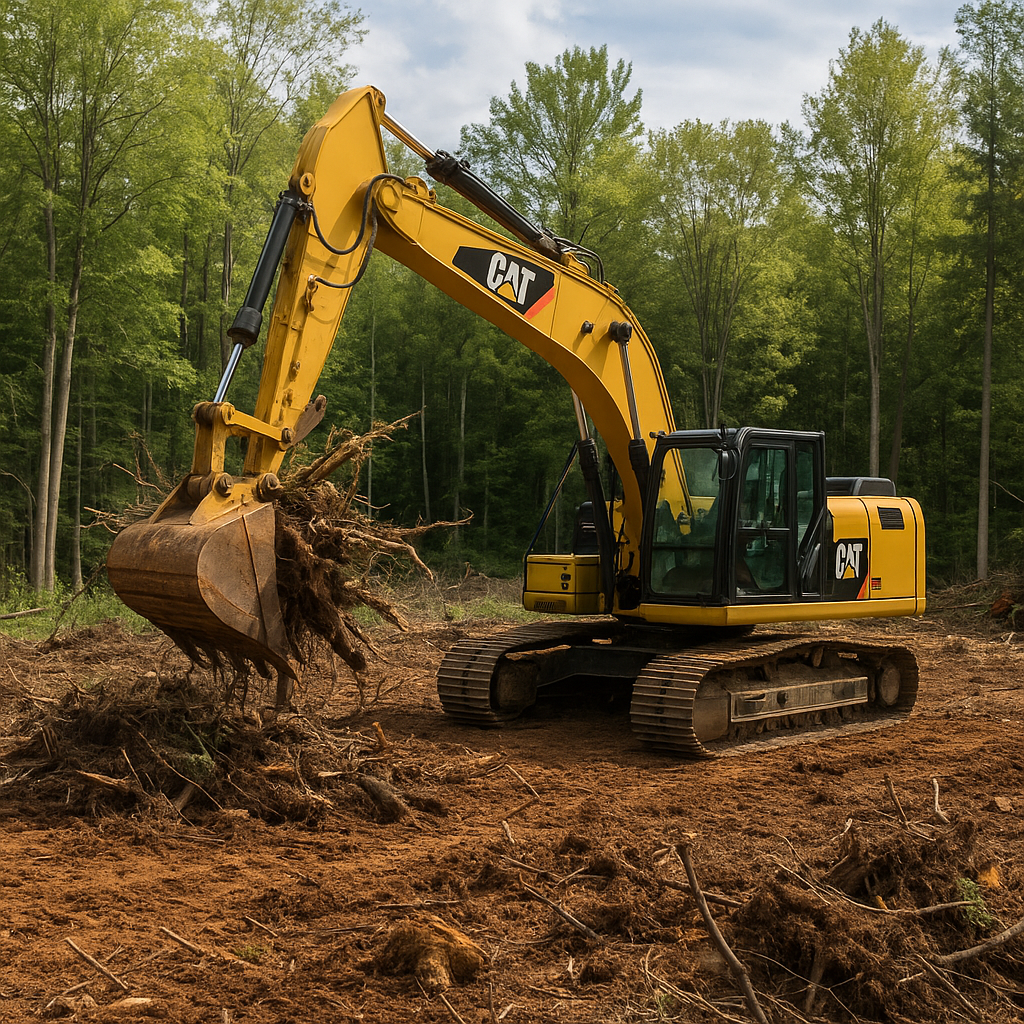
“Lot clearing” is the catch-all for removing trees and brush, grubbing stumps, stripping topsoil, minor grading, and building temporary access so equipment can get in and out. Once you start disturbing soil or taking down trees—especially in or near regulated areas—you’re into permit territory. If you’re only trimming a couple of backyard shrubs, that’s different. But if you’re prepping for a driveway, foundation, or larger landscaping, assume approvals may apply.
Who Can Have a Say (and Why It Matters)
Town of Collingwood
The Town administers local by-laws that can affect clearing—especially tree protection / destruction rules, clean yards standards, and anything tied to site works that lead into a building permit. It’s common for site prep to be reviewed alongside plans for construction, but even stand-alone clearing can be regulated if trees or soils are impacted.
- Tree removal can trigger a tree destruction/preservation process.
- Messy piles and debris fall under clean yards / property standards (keep it tidy).
- Expect to provide a simple plan or sketch for what’s being cleared and how you’ll stabilize the site.
County & Conservation
Collingwood sits in Simcoe County and within the Nottawasaga Valley Conservation Authority (NVCA) watershed. If you’re near a watercourse, wetland, steep slope, or floodplain—or if you’re clearing a woodland over certain size thresholds—additional permits apply.
- Simcoe County Forest Conservation: regulates woodland removal above certain sizes.
- NVCA permits: required for works in regulated areas (shorelines, wetlands, streams, etc.).
The Practical Sequence (So You Don’t Get Stuck Mid-Job)
- Map the site. Mark trees to be removed, note slopes, wet spots, and any ditches or swales. Flag your proposed access route and equipment pad.
- Order utility locates before you dig. In Ontario, locates are mandatory and free. Plan 5+ business days.
- Check conservation and woodland triggers. If you’re in or near regulated areas—or removing woodland beyond thresholds—apply for the proper permits.
- Confirm municipal rules. If tree removal, site alteration, or debris handling applies, follow the Town’s process. If your clearing leads into construction, align with your building permit schedule.
- Stabilize as you go. Stockpile topsoil neatly, install silt fences where needed, and keep roadside ditches clean and functioning.
- Close out cleanly. Remove temporary controls once the site is stable; leave the lot safe and compliant.
Permits & Approvals You Might Need (Plain English)
- Tree removal approvals: If you’re cutting more than a couple of landscape trees—or anything that looks like a woodland—assume you’ll need permission. Expect a simple application, a sketch, and conditions around tree protection and timing.
- Woodland/Forest Conservation: Clearing larger wooded areas can require a County permit or exemption. You may be asked for an arborist’s report or environmental study if impacts are significant.
- Conservation Authority permit: In regulated areas (wetlands, watercourses, steep slopes, floodplain), NVCA wants to confirm your work won’t cause erosion, flooding, or habitat damage. They’re practical—bring a clear concept plan.
- Entrance coordination (if adding access): If you need a temporary construction entrance or you’re tying into a municipal road, coordinate early. Keeping ditches clear and driveways stable is part of staying onside.
What Inspectors Look For
- Clear limits of disturbance: Trees to remain protected; trees to remove clearly marked.
- Drainage maintained: No blocking swales, culverts, or roadside ditches. Keep sediment out of the road.
- Erosion control: Silt fence on the low side, stabilized access pad, stockpiles covered if needed.
- Safe access: Construction entrance that won’t track mud into the street or collapse under a tandem.
Timing: When to Clear (and When to Wait)
- Frozen ground window: Great for minimizing rutting if you’re bringing heavier iron in.
- Dry shoulder seasons: Easier erosion control, simpler trucking, and faster restoration.
- Nesting seasons & environmental windows: Larger removals may be timed to avoid sensitive periods. Ask before you schedule.
Costs You Should Expect (Ballpark, Not a Quote)
Every site is different, but the usual suspects are:
- Equipment time: Skid steer with brush head, excavator for stumps, and trucking for debris.
- Haul & disposal: Clean wood vs. mixed brush vs. stumps all price out differently.
- Controls & restoration: Silt fence, construction pad stone, seed/straw, or sod.
- Professional reports (if triggered): Arborist, EIS, or grading plan for bigger or sensitive sites.
DIY vs. Hiring a Crew
DIY
- Works for light brush and small trees with good access.
- Still requires utility locates and basic erosion control.
- Biggest risk is drainage or sediment issues you didn’t plan for.
Pro Crew
- Faster, safer, and cleaner finish—especially with stumps and trucking.
- Experienced with local by-laws, permit language, and inspection expectations.
- Better at sequencing: clear → rough grade → stabilize → ready for next trades.
Simple Prep Checklist
- Order utility locates 5+ business days before any digging.
- Flag trees to remove vs. protect; mark access and stockpile areas.
- Confirm if you’re near water, wetland, steep slope, or floodplain.
- Have a basic sketch or grading plan—even hand-drawn with dimensions.
- Line up silt fence and a crushed-stone construction entrance.
- Plan your debris handling: chip and spread, haul to facility, or mixed strategy.
Frequently Asked Questions
Do I always need a permit to clear a few trees?
Not always—but once removals are significant, near regulated features, or part of a larger construction plan, approvals are common. When in doubt, ask before you cut.
What if I only want brush cutting and no stumps out?
Brush cutting is lighter-touch, but if you’re disturbing soil or close to a water feature, safeguards (and sometimes permits) still apply. Erosion control is your friend.
Can I clear in winter?
Yes—frozen ground can reduce lawn damage and rutting. Watch snow storage around ditches and keep access grippy for trucks.