What a Septic System Really Costs in Georgian Bay When the Lot Starts Fighting Back
Two houses can need the same size septic system and still end up with very different prices. One lot has easy access, good native soil, and room to move machines. The other has trees, bedrock, wet ground, a long haul from the road, and nowhere polite to dump the excavated mess. Same number of bedrooms. Completely different bill.
If you are trying to understand septic system cost in Georgian Bay, this is the part most people miss. The system itself matters, yes. But the real price swings usually come from the lot, the access, the soil, the grading, and how much imported material is needed to make the system work properly.
That is why septic pricing in this region is not a “one number fits all” game. Around Georgian Bay, the ground has opinions. Sometimes strong ones.
The short version
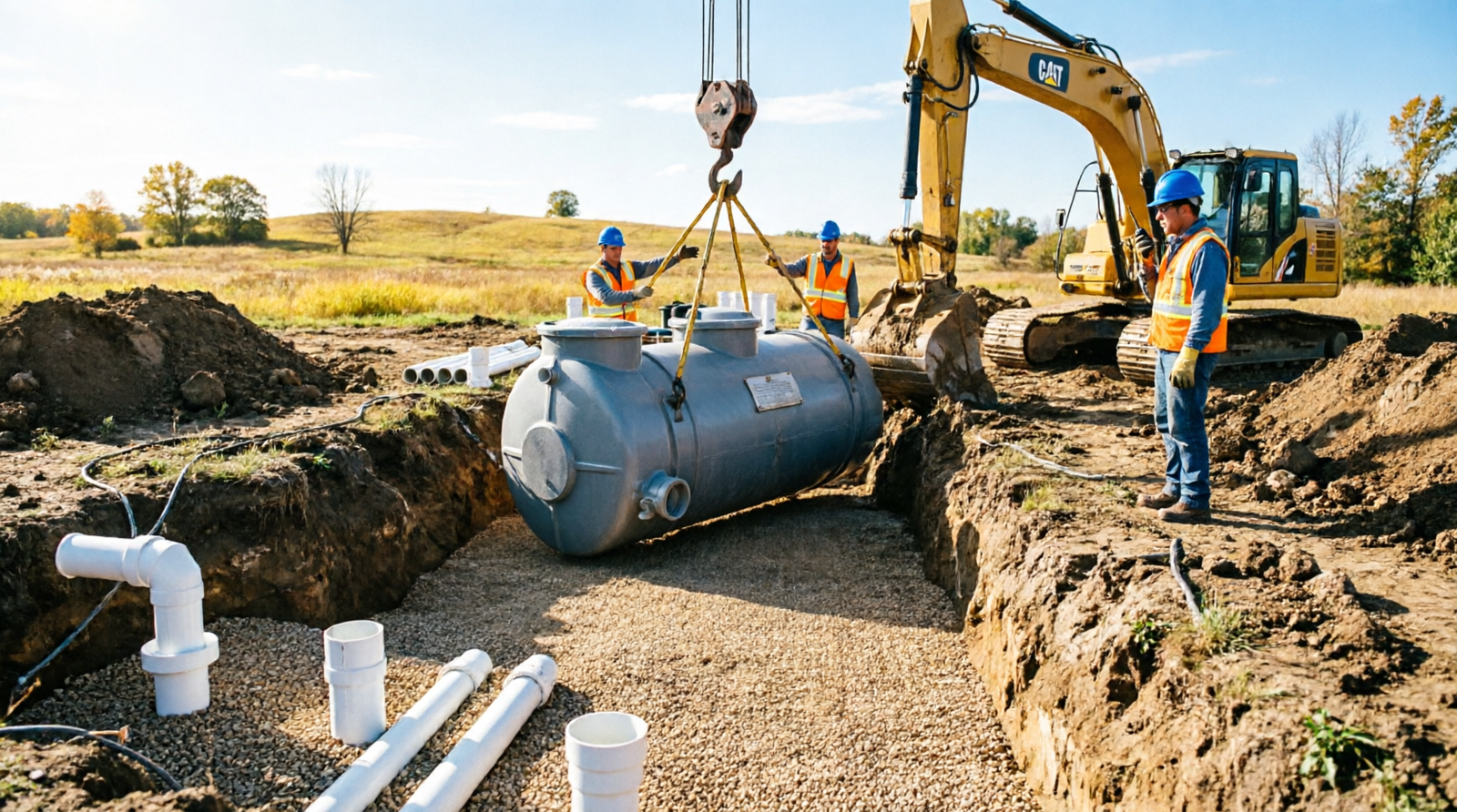
A septic quote is not just for a tank and some pipe. It is a sitework project, an excavation project, and a drainage project all at the same time.
Why Georgian Bay is different
Lots here often have rock, slope, water issues, mature trees, and difficult access. Those site conditions can affect the design and the install cost in a big way.
What smart owners do first
They stop asking for a magic price over the phone and start by understanding the lot, the access, and the proposed house size before the budget goes sideways.
The biggest mistake is treating every septic job like a flat-price package
People often search septic prices hoping for one clean number. We get it. You are trying to budget the project and decide whether the whole thing still makes sense. But a septic system is not like buying a fridge. It is custom-fitted to the lot, the house, and the site conditions.
That means the right question is not, “What does a septic system cost?” The better question is, “What on this lot is going to change the cost?”
Before you price anything seriously, it helps to understand the overall system and how it relates to the rest of the site. If you need a general overview first, see Septic Systems Georgian Bay and Septic Systems Ontario.
Access is often the first hidden cost, and it shows up before the tank ever arrives
A lot can look fine on paper and still be miserable to work on. Tight driveways, soft ground, steep turns, mature trees, shoreline lots, and long runs from the road all affect how efficiently machines and materials can move.
If the crew cannot get excavators, trucks, sand, stone, and tank components where they need to go easily, the install slows down. Slower work usually means more time, more handling, and more money.
- Long access routes can mean more trucking time and more site protection.
- Tight sites may require smaller equipment or extra hand work.
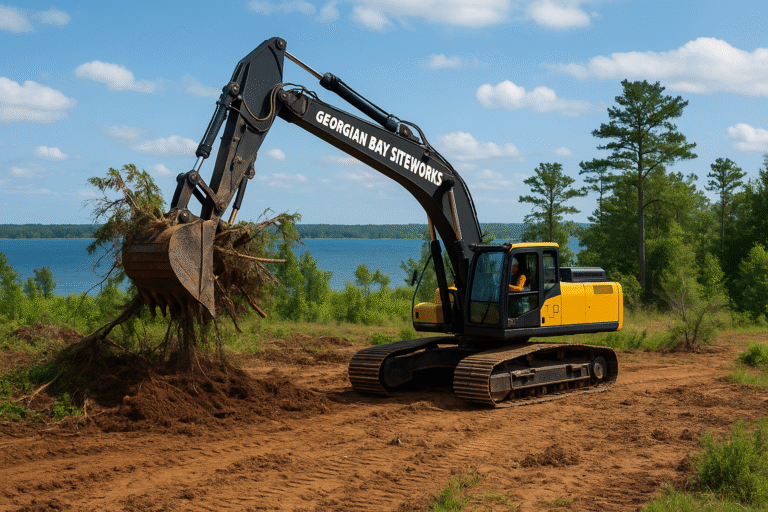
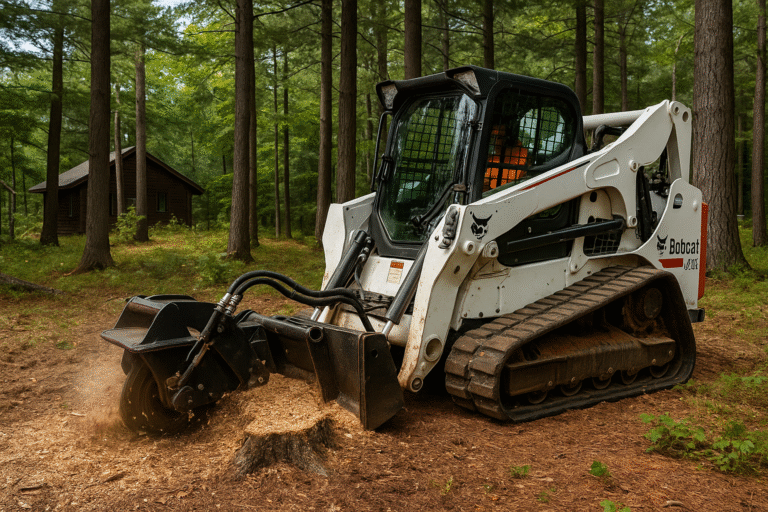
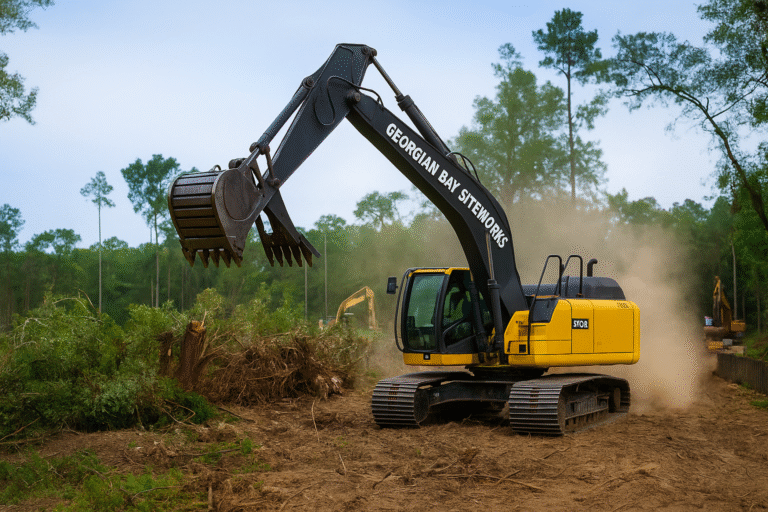
- Tree-covered lots may need clearing, stump removal, and cleanup before layout even starts.
- Soft or wet access can require temporary stabilization or careful staging just to avoid making a swamp out of the front yard.
This is why septic cost often overlaps with excavation services in Georgian Bay. The septic system might be the reason for the work, but the lot determines how much effort it takes to get there.
Soil, groundwater, and bedrock are where the real pricing separation starts
This is the part that changes everything. In a perfect world, your lot has decent native soil, good drainage, enough unsaturated depth, and plenty of room for the bed. In the real world, Georgian Bay lots often bring shallow soils, rock, wet areas, and uneven terrain to the party.
When that happens, the system may need more excavation, different layout choices, more imported material, or a raised bed approach. That is when two “same-size” jobs stop looking anything alike.
| Site condition | What it does to the project | Why it changes cost |
|---|---|---|
| Good native soil and workable grades | Simpler excavation and easier layout | Less imported material, faster install, fewer complications |
| High groundwater or wet ground | Can force a raised or more carefully engineered bed area | More fill, more shaping, more drainage attention |
| Shallow bedrock | Limits depth and layout flexibility | May require design changes, more fill, and trickier excavation |
| Poor or restrictive native soil | Reduces confidence in simple absorption | Increases the need for imported sand and controlled build-up |
| Steeper terrain | Makes machine work and grading more involved | Extra shaping, stabilization, and drainage work |
If you are dealing with an existing failed system, the story can get even more complicated because removal, replacement logistics, and disturbed site conditions all come into play. That is where Septic Replacement Georgian Bay becomes a different conversation from a clean new install.
Imported sand, stone, and fill can change the budget faster than most owners expect
When a lot does not provide the right native conditions, the project often needs imported material. That may include septic sand, stone, granular base, or clean fill for shaping and separation. And this is where pricing can jump.
Material itself costs money. Trucking it costs money. Spreading, compacting, shaping, and protecting it costs money too. On remote or awkward Georgian Bay lots, that number can move quickly because hauling is part of the story.
Filter bed systems especially make people realize this in a hurry. The concept sounds simple enough until you price the full operation, not just the sketch on the permit drawings. For a better look at that side of things, see Filter Bed Septic System Ontario.
- Imported sand is not decorative. It is performance-critical material.
- Stone and pipe zones need proper installation and shaping.
- Delivery logistics matter more on narrow, wooded, or shoreline-area properties.
- Spoil management matters too. Digging material out is only half the fun. The other half is figuring out where it goes.
Grading, drainage, and elevations are not extras — they are part of whether the system will work properly
Homeowners sometimes think of grading as the cosmetic cleanup that happens after the real work is done. On septic projects, that is backwards. Proper grading and drainage are part of the functional work.
You want surface water moving away from the system area, not hanging around it like an unwanted relative after Thanksgiving. Water management affects longevity, serviceability, and how the site behaves in spring thaw and heavy rain.
That is why septic pricing is often tied closely to grading and drainage in Georgian Bay. The bed area, the swales, the finished contours, and the relationship to the house and driveway all matter.
What adds cost
Re-shaping slopes, building up low areas, diverting runoff, tying grading into driveways, and managing water near the house and septic area.
Why it is worth doing right
A septic system that sits in a badly managed site can become a future headache even if the install looked fine on day one.
House size matters, but bedroom count is not the whole story on a real lot
Yes, the proposed house size and use affect the septic design. More demand generally means more system. But on budget day, the physical lot conditions can still be the bigger swing factor.
That matters even more when the property also has future plans such as an addition, garage suite, bunkie, or garden suite. Suddenly you are not just pricing today’s septic. You are pricing whether the site has room and servicing logic for tomorrow’s plans too. If that is on your radar, read Garden Suite Septic Requirements Ontario.
And if you are trying to budget the whole project, not just the septic piece, it helps to zoom out and compare it to the bigger build budget. Cost to Build a House in Ontario gives that broader picture.
How to budget a septic project without fooling yourself
If you want a realistic number, start with facts, not wishful thinking. A useful septic budget usually comes from a site-informed conversation, not a random square-foot guess over coffee.
- Look at the lot honestly. Access, slope, trees, wet areas, rock, and distance from the road all matter.
- Know the proposed house plan. Rough bedroom count and intended use are important, but they are not the full pricing story.
- Expect site evaluation to shape the design. Good soil saves money. Difficult conditions rarely send flowers.
- Allow for imported material. Sand and stone can move the number quickly, especially on difficult sites.
- Include grading and drainage. That work belongs in the septic budget conversation, not buried later as a surprise.
A septic price is really a sitework price wearing a septic hat
If you remember one thing, remember this: the septic system itself is only part of the cost. Access, excavation, soil conditions, groundwater, imported material, grading, and drainage are what separate an easy job from an expensive one.
That is why the smartest move is to review the lot early and budget from reality. Not from a number someone threw out before they ever saw the property.
Good info to gather before asking for pricing
- Property location and access details
- Rough house size and planned bedroom count
- Any available lot plan or survey
- Known wet areas, rock, or drainage issues
- Whether this is new install or replacement
- Any future suite or accessory building plans
Frequently Asked Questions About Septic System Cost in Georgian Bay
Why can two same-size septic systems cost very different amounts?
Because the lot often matters more than people expect. One property may have good access, decent native soil, and easy grades. Another may have trees, wet ground, poor access, rock, or a need for imported sand and extra grading. The system capacity may be similar, but the install effort is not.
Does difficult machine access really affect price that much?
Yes. Tight, soft, or heavily wooded access can slow the job down, limit equipment choices, add site protection work, and increase material handling time. On Georgian Bay properties, access can be one of the earliest clues that the final price will not be a simple one.
What role does soil play in septic cost?
Soil affects whether the lot naturally supports a simpler design or whether the system needs extra material and build-up. If native conditions are less than ideal, you may need imported sand, additional shaping, and more careful grading, all of which increase cost.
Does high groundwater increase septic installation cost?
It often does. High groundwater can reduce flexibility in design and may require a raised approach, more imported fill, more grading, and more careful placement on the site. It is one of those conditions that can make a normal-looking job become a much more involved one.
Why does imported sand change the budget so much?
Because you are not just buying sand. You are paying for the material, trucking, staging, placement, shaping, and the labour and equipment required to install it properly. On difficult or remote lots, material handling can become a major cost component.
Is grading really part of septic pricing?
Absolutely. Grading and drainage are part of making the site function properly, not just making it look tidy at the end. Surface water has to be managed around the septic area and tied sensibly into the rest of the property so the system is not compromised by runoff and poor drainage patterns.
Do replacement septic systems cost more than new ones?
They can. Replacements often come with extra complications such as removing or working around existing components, limited space, disturbed site conditions, landscaping conflicts, and keeping the property functional during the work. That can make a replacement project more involved than a clean new install on an open site.
Can future plans for a garden suite or accessory building affect today’s septic budget?
Yes, they should at least be discussed early. Even if you are not building the extra space now, future servicing plans can affect how you think about septic location, available room, and overall site strategy. It is much easier to plan intelligently now than to discover later that the lot has painted you into a corner.
Is there a useful budget number I can start with before detailed review?
You can start with a rough allowance, but it should stay rough until someone considers the lot conditions. A septic budget without site context is often little more than a hopeful guess. It may help with early planning, but it should never be mistaken for a reliable install price.
What should I have ready before asking for a septic quote?
Bring the property address, any survey or lot sketch, the rough house size and planned bedroom count, and notes about access, trees, wet areas, rock, or existing septic components. The better the site information, the more realistic the discussion will be.