Driveway Permit in Tiny Township

Driveway Permit Tiny: The Straight-Talk Guide for Homeowners

Planning a new driveway or changing the entrance to your property in the Township of Tiny? Around here, the correct term is an Entrance Permit, and you’ll need one for anything that touches the Township road allowance—new driveways, relocating or widening an entrance, paving, and culvert work. Below is a practical guide, written in plain English, on how to handle your Driveway Permit (Tiny) from start to finish without getting tangled in red tape or drainage problems later.

What Is a Driveway/Entrance Permit—and When Do You Need It?

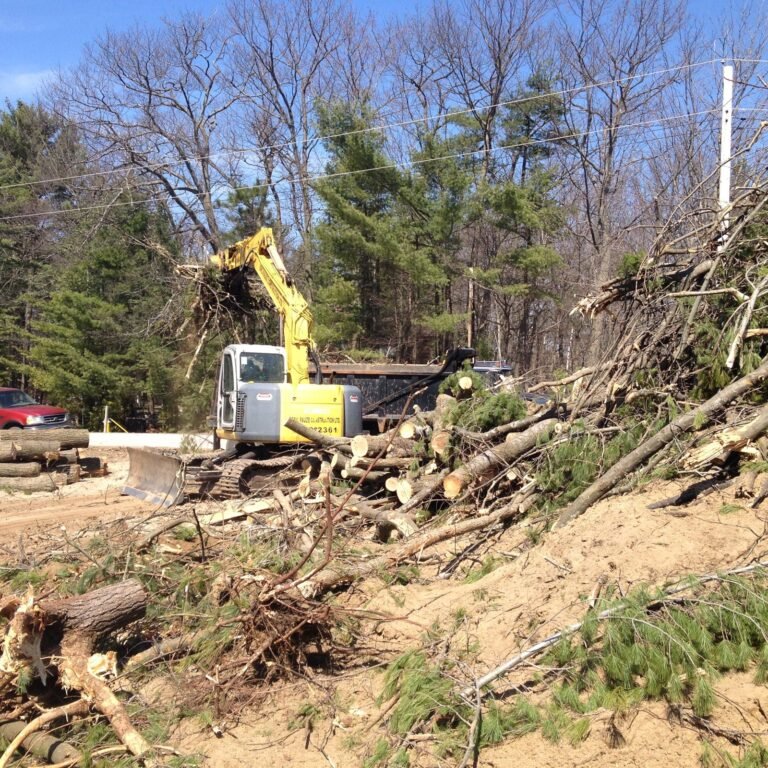
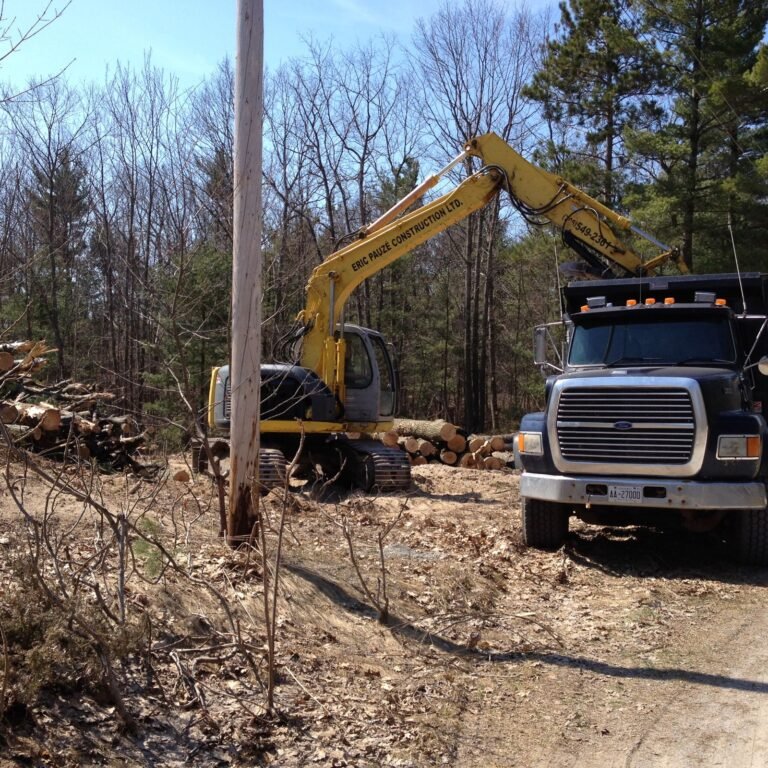
The Township issues entrance permits to make sure any driveway that connects to a Township-owned roadway is built properly and doesn’t mess with road safety, drainage, snowplow operations, or maintenance. If your work involves installation, relocation, redesign, paving, or culvert installation/replacement, you’re in permit territory. Even clearing a vacant lot typically starts with an approved entrance so trucks can get in legally and without rutting up the ditch.

Quick rule of thumb: If your tires will cross the Township ditch/shoulder—or you’ll pave up to the road edge—you almost certainly need an entrance permit.

Entrance Permit Types & Typical Costs

Fees and requirements can change—confirm with the Township before you submit. The outline below matches what Tiny commonly uses:

  • Temporary Entrance — Popular for vacant lots being cleared before house plans are ready. No grading plan required. Valid for 1 year.
    Cost: $230. Requirements: sketch with dimensions + stake the entrance location on site.
  • Permanent Entrance — For the final driveway. Requires a lot grading plan. Valid for 1 year to build and pass final inspection.
    Cost: $230. Requirements: lot grading plan + stake the location on site.
  • Change in Design/Location — Widening, shifting the entrance, etc. Expires after 1 year and needs a final inspection.
    Cost: $150. Requirements: sketch with dimensions and changes.
  • Paving / Culvert Replacement — For paving an existing entrance or replacing a culvert. The permit fee is typically $0 (you pay for the culvert and the work).
    Requirements: simple sketch noting dimensions/changes.

Why the fees? In short: administration and inspections. Think file creation, tracking, site reviews, and, where applicable, the address marker setup. A common breakdown used locally is $150 for admin/inspections and $80 for the address blade and install.

Step-by-Step: How to Get Your Driveway Permit in Tiny

  1. Stake the spot. Physically mark where the entrance will go. If you’re altering an existing driveway, flag the proposed width/shift.
  2. Prepare your paperwork. For a Temporary Entrance, a sketch is enough. For a Permanent Entrance, you’ll need a lot grading plan prepared by your designer/engineer.
  3. Fill out the Entrance Permit Application. Submit the form to the Public Works Secretary. You can deliver by mail with a cheque or in person at the Municipal Office. Include any fees and supporting documents.
  4. Township review & initial inspection. An inspector reviews the site and your submission. Plan for up to two weeks for this step.
  5. Approval issued. When approved, you’ll receive the signed permit with conditions, timelines, and any culvert/drainage instructions.
  6. Build the entrance. Follow the permit’s conditions (culvert size, granular base, driveway width, slope, tie-in to road edge, etc.).
  7. Final inspection. When finished, notify the Public Works Secretary to book the final inspection. If you forget, they’ll usually follow up about a month before your permit expires.
  8. Close the permit. Passing final inspection closes the file—your entrance now meets municipal standards.

Culverts, Ditches & Drainage: Tiny-Specific Realities

Much of Tiny Township relies on open ditch drainage. If your lot fronts a ditch, your entrance will likely need a culvert. The diameter, length, and material must match municipal standards and the local drainage context. Undersizing here is the fastest way to washouts, frost heave, and angry neighbours downstream.

  • Diameter: Determined by the inspector—don’t guess. Bigger isn’t always better; it’s the watershed and outlet that dictate size.
  • Material: Corrugated steel or HDPE are common. Smooth interior helps flow; ensure proper end treatments.
  • Burial & base: Bed the pipe on compacted granular, not topsoil. Poor bedding leads to settlement and cracked pavement at the apron.
  • Headwalls & end treatments: Keep ends clean of debris. In higher-flow areas, consider end treatments to prevent erosion and improve safety.
Pro warning: A pretty driveway that ignores ditch grades will fail. Match the apron to the road cross-fall, keep side slopes stable, and don’t dam the ditch with a flat, over-wide entrance without a culvert.

County Roads vs. Township Roads (and Private Lanes)

Not every road is under the Township of Tiny. If your property fronts a County road (e.g., Simcoe County), the permit authority—and standards—may be the County. Private condominium roads and private lanes have their own rules, but connecting to a public road still requires the appropriate public authority’s approval. When in doubt, ask which road authority owns the frontage before you apply.

Seasonal and Practical Timing

  • Spring–Fall: Best for excavation, culvert setting, and granular compaction.
  • Winter: Frozen ground can help with access, but culvert bedding and compaction suffer. Plan carefully.
  • Half-loads / load restrictions: Spring thaw limits trucking. Schedule granular delivery and paving outside restriction windows if possible.

What Documents Do You Actually Need?

Temporary Entrance (Lot Clearing Stage)

  • Completed application form
  • Simple sketch (dimensions, entrance width/location)
  • Stakes on site showing the proposed entrance
  • Fee (typically $230)

Permanent Entrance (Final Driveway)

  • Completed application form
  • Lot grading plan (by your designer/engineer)
  • Stakes on site showing the location
  • Fee (typically $230)

Common Mistakes (and How to Avoid Them)

  • Paving first, asking later: Paving without a permit invites costly rework if the apron or culvert isn’t to standard.
  • Undersized base: Two inches of asphalt on mushy subgrade won’t last a winter. Use proper granular base (well-compacted in lifts).
  • Ignoring the ditch: Filling ditches or blocking flow causes flooding and fails inspection.
  • No final call-in: You must request final inspection to close the permit before it expires.
  • Guessing on road authority: If it’s a County road, apply to the County—don’t waste weeks on the wrong form.

Costs: Beyond the Permit Fee

The permit is only part of the budget. Expect costs for excavation, granulars, culvert and end treatments, restoration (topsoil/seed), and potentially paving. If you’re upgrading from a temporary to a permanent entrance, factor in the design cost for the lot grading plan and any on-site adjustments after inspection.

Do I Need a Permit Just to Clear a Vacant Lot?

Yes—if you need trucks and equipment to access from the public road, the Township generally requires an approved entrance (usually a Temporary Entrance) before clearing. It protects the road and ditches and gives you a legal access point that won’t be ripped out later.

Simple Prep Checklist

  • Confirm the road authority (Township or County).
  • Stake your proposed entrance and measure width.
  • Get utility locates before digging (no exceptions).
  • Decide: Temporary (clearing) vs Permanent (final driveway).
  • Line up a lot grading plan if going Permanent.
  • Submit your application with sketch/plan and fee.
  • Build to spec; call for final inspection to close the permit.

SEO Corner: Related Topics & Internal Resources

FAQ: Driveway Permit in the Township of Tiny

How long does approval take?

Plan for up to two weeks from submission to approval, depending on workload and site conditions.

Do I always need a culvert?

No—but if there’s a ditch or surface flow, expect to install one. The inspector will size it.

What happens if I don’t call for final inspection?

The Township typically follows up about a month before your permit expires. If the entrance isn’t inspected and approved, you may need to re-apply.

Can I relocate or widen an existing entrance?

Yes—apply under Change in Design/Location with a sketch and dimensions. The permit expires after one year and requires a final inspection.

Is paving covered by the permit?

Paving requires a specific Paving/Culvert Replacement permit (often no fee). It ensures your asphalt ties into the roadway properly without damaging municipal equipment.

Why Work With a Local Crew?

Tiny’s soils, ditches, and winter plowing are a unique combo. We design the apron to shed water, bed culverts so they don’t settle, and build the base to carry real loads. That’s what keeps your driveway looking good after a spring thaw and a few passes of the plow.

We’ve Built 40+ Driveways in Tiny—Need a Hand?

We handle the whole process—staking, sketches, lot grading plans coordination, permit submission, culverts, granulars, paving tie-ins, and final inspection—so you get an entrance that passes the first time and stays put. If you want it done right, we’re ready to help.

Note: Fees, forms, and standards evolve. Always confirm current requirements with the Township of Tiny Public Works before applying.

Leave a Reply

Your email address will not be published. Required fields are marked *